Don't miss our holiday offer - up to 50% OFF!

How to Choose Denim Weight (Oz) for Garment Production

How to Choose Denim Weight (Oz) for Garment Production
When developing denim garments, fabric weight — measured in ounces per square yard (oz) — is one of the most critical parameters for designers, buyers, and manufacturers. Many styling problems, such as overly stiff fabric, poor draping, or mismatched seasonal thickness, are caused by an incorrect denim ounce selection.
Simply put, denim ounce refers to the weight per square yard of finished fabric. Higher-ounce denim is thicker, sturdier, and more structured, while lower-ounce denim is lighter and softer to the touch. Understanding each weight range and its application will help you make more accurate fabric selections across different collections.
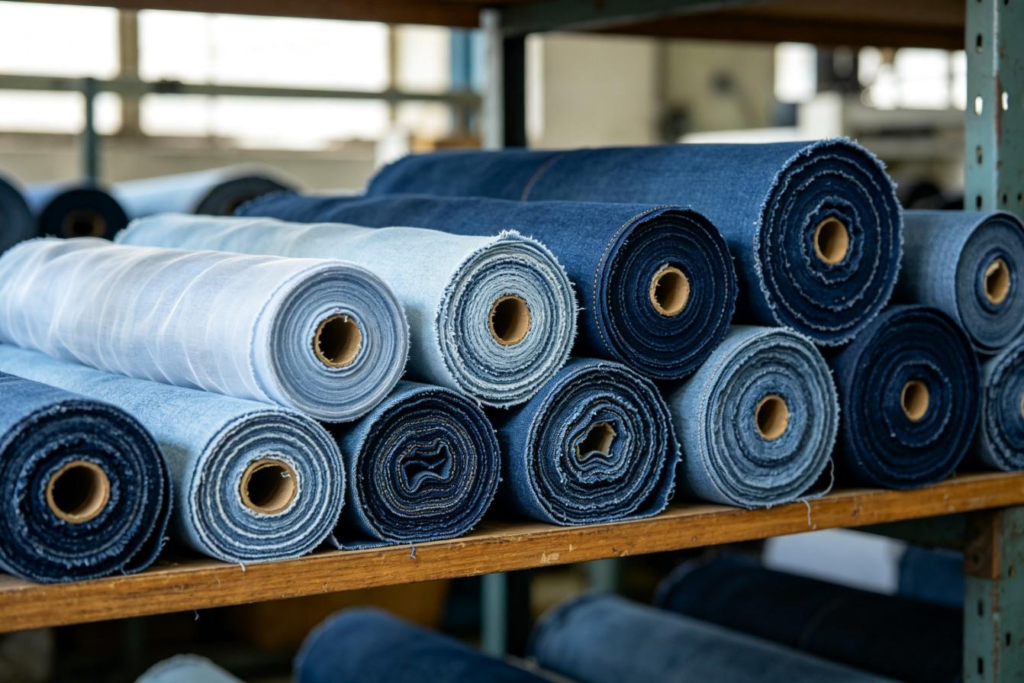
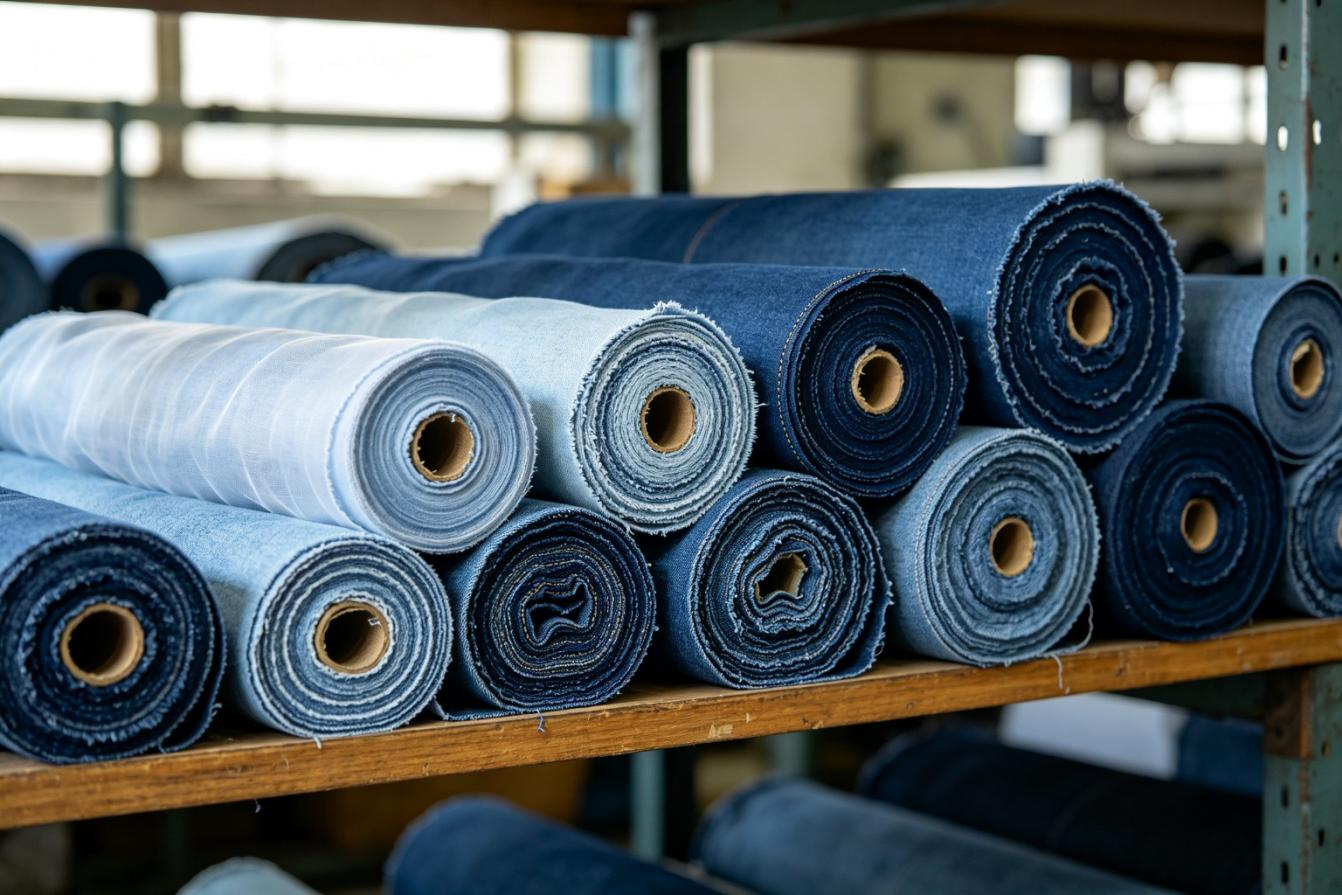
Figure 1: Denim rolls in different weights — from airy lightweight to heavy raw denim
1. Lightweight Denim (4–9 oz)
Lightweight denim features a soft texture, excellent breathability, and natural draping. It is flexible and comfortable, without the rigid feeling of traditional heavy denim.
Best applications: Summer jeans, denim shirts, dresses, skirts, women’s casual styles, and lightweight outerwear.
Note: Due to lower fabric density, lightweight denim is not recommended for heavy-duty workwear or items that require extreme abrasion resistance.
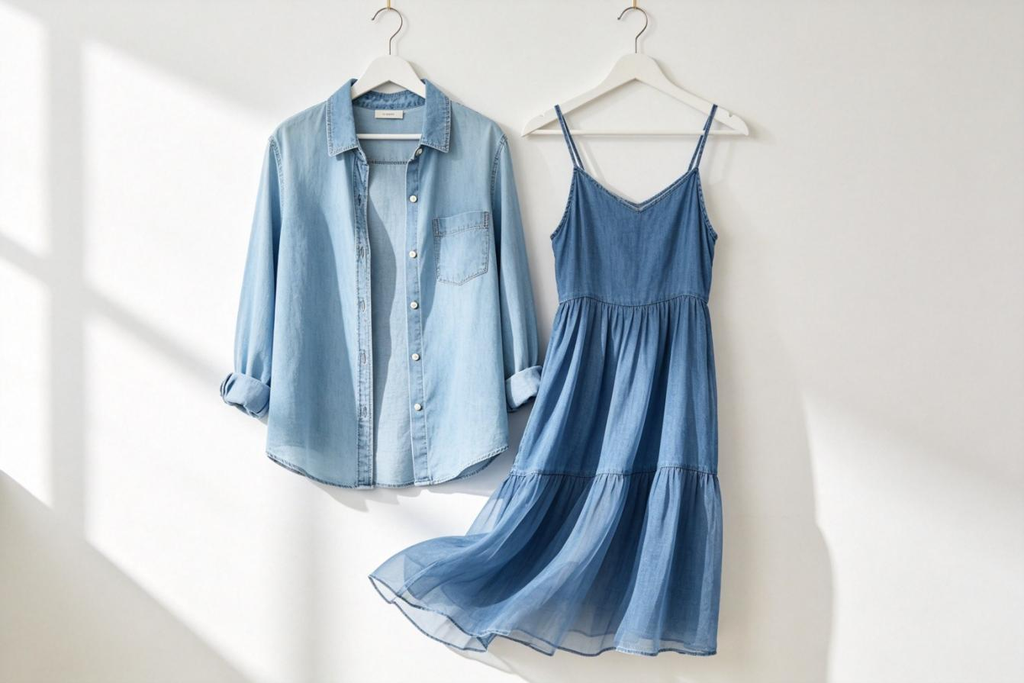
Figure 2: Lightweight denim — ideal for summer tops, dresses and casual styles
2. Medium Weight Denim (10–12 oz)
Medium-weight denim is the most widely used standard in the global apparel industry. It balances durability, comfort, and appearance structure, making it suitable for all-season production.
Best applications: Daily basic jeans, straight-leg styles, casual jackets, standard workwear, and most mainstream denim collections.
Most bulk fast-fashion and brand core styles adopt 10–12 oz denim for its stable performance and versatile styling.
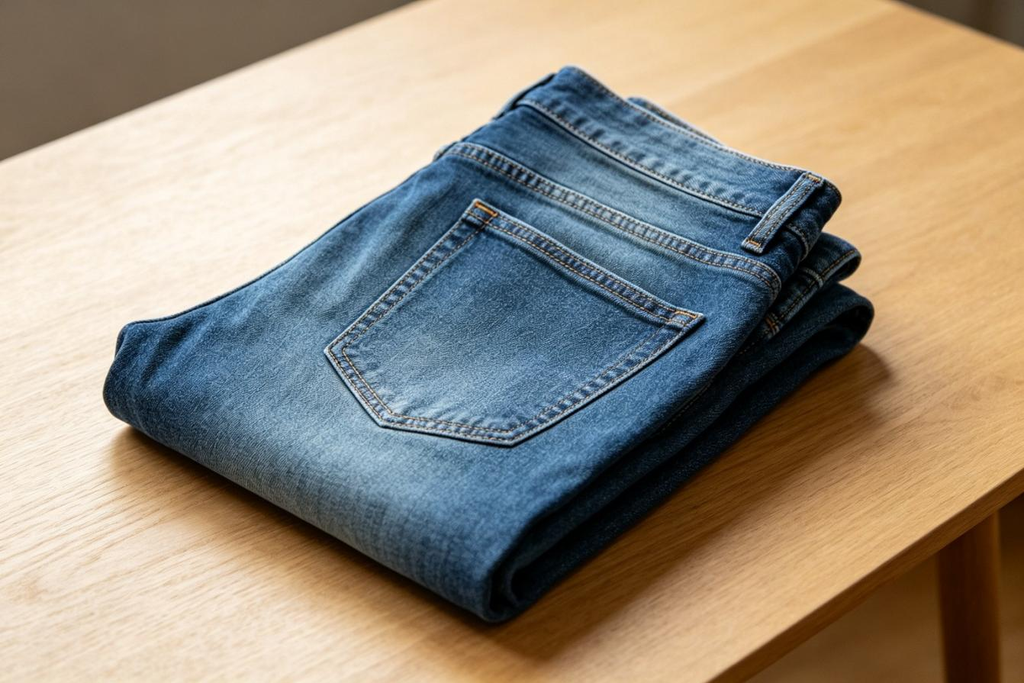
Figure 3: Classic medium-weight jeans — the all-season workhorse
3. Heavyweight Denim (13–18 oz)
Heavyweight denim delivers strong rigidity, a three-dimensional silhouette, and outstanding wear resistance. The fabric feels firm at first and gradually forms a unique vintage fading effect after wearing and washing.
Best applications: Vintage raw denim, heavy-duty workwear, thick denim jackets, autumn and winter functional garments, and men’s retro styles.
Note: Heavyweight denim requires professional sewing configuration during garment production because of its higher fabric density.
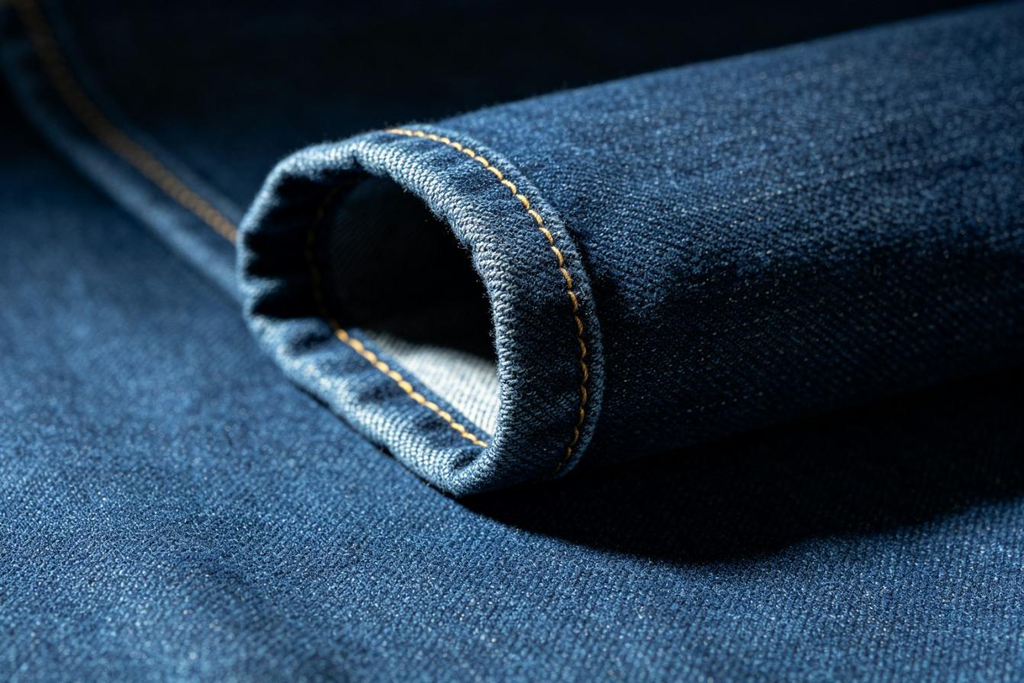
Figure 4: Heavyweight raw selvedge denim — sturdy twill weave and deep indigo color
Table 1: Denim Weight Ranges at a Glance
| Weight Range | Key Characteristics | Best Applications |
| 4–9 oz (Lightweight) | Soft, breathable, natural drape | Summer jeans, denim shirts, dresses, skirts |
| 10–12 oz (Medium) | Balanced durability, comfort and structure | Everyday jeans, casual jackets, standard workwear |
| 13–18 oz (Heavyweight) | Rigid, structured, high wear resistance | Vintage raw denim, heavy workwear, winter garments |
4. Common Denim Weight Misunderstandings
4.1 Higher ounce means better quality
Fabric weight only represents thickness, not quality. High-quality lightweight denim can still achieve stable color fastness and a low shrinkage rate. Fabric quality depends on yarn grade, dyeing technology, and finishing process — not ounce weight.
4.2 Focus only on weight without considering elasticity and finishing
Denim with the same ounce weight can perform completely differently. Non-stretch, stretch, high-stretch, soft-washed, and pre-shrunk treatments will greatly change the final handfeel and wearing effect. Fabric selection must combine weight, composition, and finishing requirements.
4.3 Judge bulk order weight based on greige fabric
Greige fabric weight will change after dyeing, shrinking, and finishing. Always confirm the finished fabric ounce during sampling and mass production to avoid thickness deviation.
5. Practical Fabric Selection Tips
Summer and ladies’ lightweight styles: choose 4–9 oz denim.
All-season basic jeans and casual styles: choose 10–12 oz denim.
Vintage, workwear, and winter heavy styles: choose 13 oz and above heavyweight denim.
Always confirm fabric composition, elasticity, width, and shrinkage standard before bulk production.
Verify handfeel and thickness with physical swatches before finalizing orders.
If you are developing new denim styles, feel free to request fabric swatches to compare different weights and textures for your collection.